A Day in the Life of a Physician
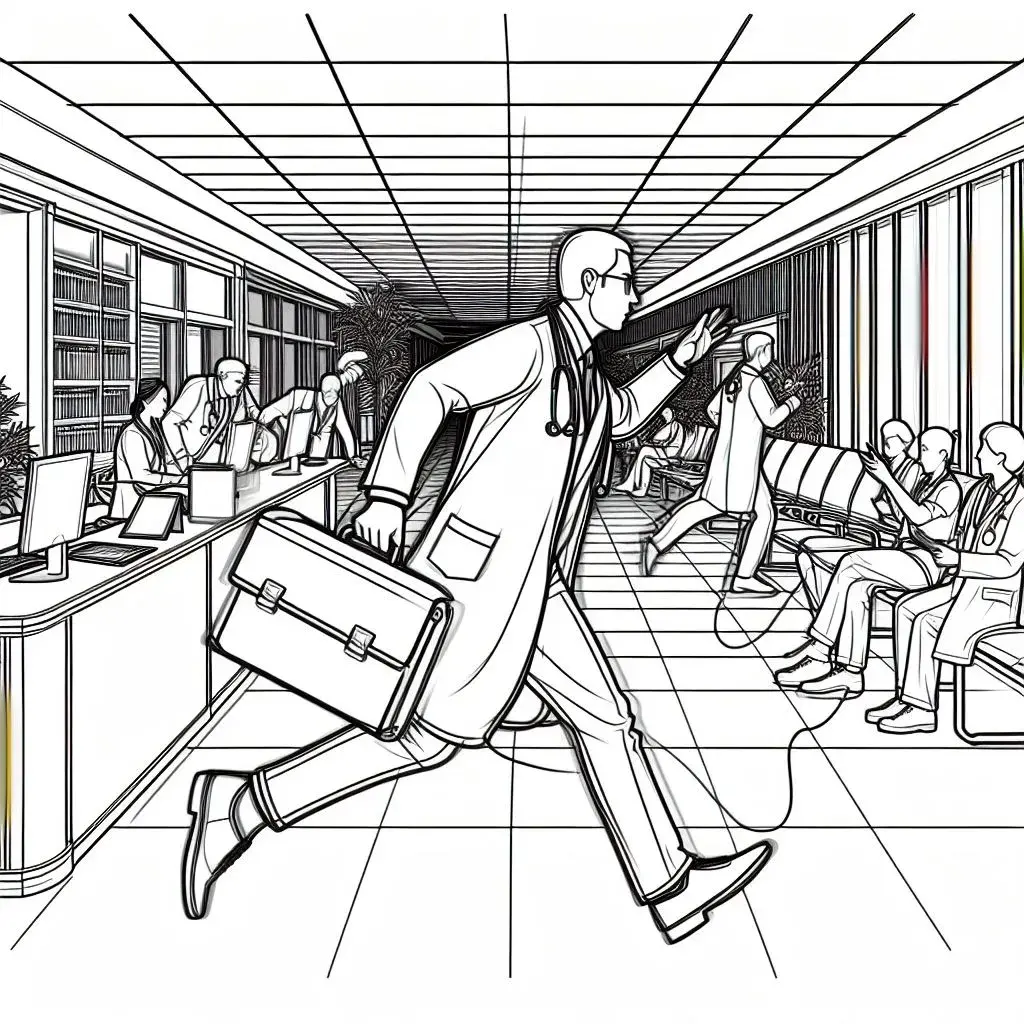
All day long, physicians perform critical cognitive activities such as assessing an individual’s risk of developing a medical condition, diagnosing the probable disease underlying a person's complaints, selecting the best therapy for treating a patient, and forecasting the course of a chronic condition in an individual. The better these activities are performed; the better clinical decisions and outcomes are likely to be for both the individual and society as a whole. However, the modern era of medicine, characterized by rapid technological advancements, increased regulatory demands, and evolving healthcare systems, has introduced significant cognitive burdens for physicians. To perform consistently at a high level, the physician requires up- to-date and relevant clinical information, comprehensive access to the patient's clinical data, robust decision-making abilities, and efficient documentation skills. Increasingly, physicians are experiencing burnout, overburdened by the cognitive demands of their daily routine that was manageable, enjoyable, and satisfying only a few decades ago. So, what has changed in the intervening years? Let’s have a look.